





Healthcare systems face many challenges that can interrupt patient care. Natural disasters, disease outbreaks, and sudden spikes in demand are just a few examples. These events can overwhelm traditional facilities, such as hospitals and clinics. As a result, maintaining smooth and consistent operations becomes very difficult for medical practitioners.
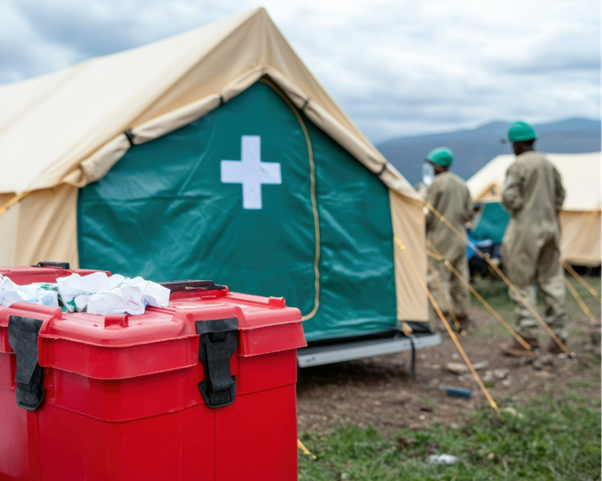
One solution to this problem is the use of medical or specialized facilities. These structures can be a big help when conventional systems are under pressure.
Read on to learn why these semi-permanent shelters are vital for keeping healthcare running and helping communities in crises.
Strengthens Emergency Preparedness
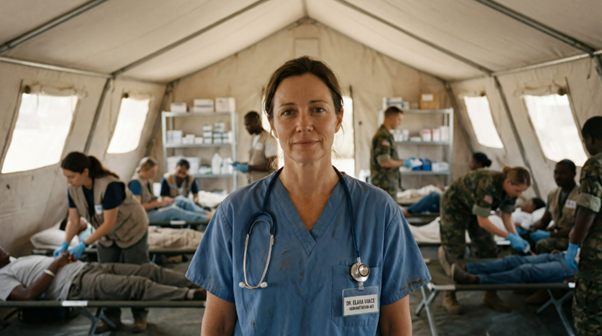
As mentioned, the demand on healthcare systems can spike suddenly during disasters, epidemics, or other crises. In such situations, hospitals become overcrowded or face operational challenges. This is where medical shelters step in to fill this gap, serving as frontline support. They provide organized, fully equipped spaces where healthcare teams can continue delivering care. Deploying them is fast and efficient as well.
Emergency preparedness is not only about responding to crises. It also involves anticipating them by having proper plans and resources in place. Medical shelters are a key part of this approach, offering ready-to-use spaces with essential medical supplies, power, and sanitation. This preparation can reduce downtime and maintain stability for both patients and staff.
To effectively support emergency response and patient care, it’s important to purchase from a reputable medical shelter supplier. Be sure to check their industry reputation and track record for delivering reliable structures. High-quality ones should be durable and compliant with healthcare standards.
Expands Access to Underserved Areas
Rural and remote regions often lack permanent healthcare facilities, leaving populations vulnerable to preventable illnesses and delayed treatments. Mobile or temporary medical shelters fill this critical gap, bringing necessary services directly to communities that would otherwise lack access to care. These shelters can be strategically positioned to maximize reach, providing vaccination drives, routine check-ups, and emergency treatments.
Healthcare equity becomes more achievable with these interventions. Patients no longer face long, costly journeys for basic services. Additionally, medical shelters give opportunities for healthcare education and outreach, empowering communities with knowledge and resources. This proactive approach strengthens overall public health and encourages long-term engagement between patients and healthcare providers.
Enhances Flexibility in Healthcare Delivery
It’s no secret that the healthcare industry often operates on fixed infrastructure, which can limit its ability to respond to fluctuating demands. Medical shelters introduce flexibility that traditional facilities cannot easily achieve. They can serve multiple purposes, from intensive care support to triage centers, and can be adapted according to immediate needs. This adaptability ensures that healthcare systems remain responsive to evolving situations.
The presence of medical shelters also allows staff to reorganize workloads efficiently. By relocating non-critical services to temporary structures, hospitals can redirect their resources to focus on urgent cases. This segmentation reduces patient wait times and alleviates pressure on healthcare workers, ultimately improving the quality of care across the system.
Supports Public Health Initiatives
Medical shelters support public health campaigns in many ways. Vaccination drives, health screenings, and awareness programs can be run in temporary facilities. This prevents permanent hospitals from becoming overloaded. Their mobility allows interventions to reach more people efficiently.
Community health initiatives benefit from the visibility and accessibility of these shelters. People are more likely to participate in preventive programs when services are easily accessible. Integrating medical shelters into long-term health strategies helps authorities build healthier communities. It also reduces the burden on centralized healthcare institutions.
Reduces the Impact of Healthcare Disruptions
Unforeseen events, ranging from pandemics to infrastructure failures, can throw routine healthcare operations into disarray. And these disruptions can jeopardize patient safety. Medical shelters act as a stabilizing buffer during these turbulent moments. They absorb patient overflow and deliver critical services. Even when primary facilities are stretched thin, care can continue seamlessly.
Another factor to consider is that continuity isn’t merely about administering treatment. It also involves preserving the bond of trust between patients and the healthcare system. Communities that witness swift, competent responses in times of crisis are more likely to follow preventive measures and adhere to treatment plans. Medical shelters reinforce that trust through resilience and adaptive readiness. They offer reassurance and stability in times of uncertainty.
Improves Resource Management
Setting up specialized facilities allows for better allocation of medical personnel and products. The shelter can be stocked according to specific needs, reducing waste and optimizing inventory use. This targeted approach ensures that resources reach the areas where they are most required.
Logistical efficiency also benefits healthcare administrators. Integrating shelters into contingency plans enables healthcare facilities to scale operations dynamically. Supplies, staff, and equipment can be moved to the structure as situations evolve. This prevents bottlenecks and allows for a smoother response during high-demand periods.
Promotes Community Confidence
The presence of medical shelters conveys a clear message: the community’s health is a priority. Knowing that temporary facilities are ready to provide care in case of emergencies reassures citizens and strengthens public trust in healthcare systems.
Confidence extends beyond perception. Communities that have access to medical shelters experience fewer disruptions in care, improved health outcomes, and stronger engagement with healthcare initiatives. This trust encourages individuals to seek medical attention earlier, which can prevent minor health issues from escalating into serious conditions.
Cost-Effective Solution
Financial constraints are a major concern for many healthcare systems, especially during emergencies or in underserved areas. So, instead of building new permanent facilities, medical shelters offer a practical and cost-effective alternative. They provide fully functional spaces for patient care while requiring less upfront investment.
On top of that, you don’t have to hire multiple teams for construction and setup, which further reduces expenses. Medical shelters are designed for quick installation and easy maintenance. This mix of affordability and flexibility makes these structures an effective solution for both emergency and routine situations.
Final Thoughts
Working in the medical field means navigating challenges that can strike without warning. Since this is a highly demanding and fast-paced environment, the conventional healthcare system alone may not always be sufficient to meet patient needs.
Medical shelters have proven to be an excellent solution for many healthcare providers. They eliminate the need to rely solely on permanent facilities or wait for new construction to be completed. Remember, patient care doesn’t pause for delays, and neither should the facilities that support it.
*****