





As people age, maintaining comfort, dignity, and companionship becomes increasingly important. Care homes play a pivotal role in supporting older adults through this stage of life, offering not only essential health and personal care but also emotional support and social engagement that enhance overall wellbeing.
Personalised Care Plans for Individual Needs
Understanding the Role of Care Homes in Senior Well-Being and Support
One of the primary ways care homes provide comfort is through personalised care plans. Every resident has unique needs, preferences, and routines, and quality care homes recognise this individuality. Staff work closely with residents and their families to develop tailored care strategies that address both physical and emotional requirements. Whether it is assistance with daily tasks such as bathing and dressing, managing medications, or ensuring mobility support, these plans ensure that residents feel safe, valued, and respected.
These plans are regularly reviewed to adapt to changing needs, ensuring that the care provided remains appropriate and effective. By listening to residents and understanding their personal histories, care teams can incorporate familiar routines and activities, creating a sense of continuity and reassurance that is particularly important for those living with memory challenges or dementia.
Emotional Support and Social Engagement
Beyond physical care, emotional wellbeing is a cornerstone of compassionate living in care homes. Loneliness and isolation are common challenges in later life, and dedicated care teams make it their mission to foster social connections and community spirit. Activities are often designed to be inclusive and engaging, ranging from arts and crafts to music therapy, exercise classes, and group outings. Such interactions stimulate the mind and body while promoting friendships and a sense of belonging among residents.
Mental health support has become increasingly recognised as a key aspect of later life care. Many care homes provide access to counselling, mindfulness programmes, and peer support groups, helping residents manage anxiety, depression, or the stress that can accompany significant life changes. Encouraging open conversations about emotions and providing tools to cope with them is part of the holistic approach that distinguishes compassionate care.
Nutrition and Comfort Through Meals
Nutrition is another essential element of comfort. Care homes focus on providing balanced, nutritious meals that cater to individual dietary needs and preferences. Many establishments offer menu flexibility, enabling residents to enjoy familiar dishes and try new flavours in a communal dining environment. Mealtimes often become social occasions where residents can connect and share stories, further reinforcing the emotional support that is so vital in later life.
Special diets, including diabetic-friendly, low-sodium, or allergen-free options, are carefully managed to ensure residents’ health is maintained without compromising taste or enjoyment. Seasonal menus and themed meals can also make dining an engaging experience, turning routine nourishment into an opportunity for pleasure and socialisation.
Safe and Welcoming Environments
The environment itself contributes significantly to comfort. Modern care homes are designed to be welcoming, safe, and homely, with accessible layouts that encourage independence while reducing the risk of accidents. Private rooms provide personal space and privacy, while communal areas support social interaction. Gardens and outdoor spaces offer residents opportunities to enjoy fresh air and gentle exercise, boosting mood and overall wellbeing. Easy mobility support like wheelchairs, walkers are made available in this environment.
Technology is increasingly being integrated into care environments to improve safety and enhance residents’ lives. Automated alerts, fall detection systems, and telehealth options allow care teams to respond promptly to emergencies, while smart devices and digital communication tools help residents stay connected with family and friends.
Compassionate and Skilled Staff
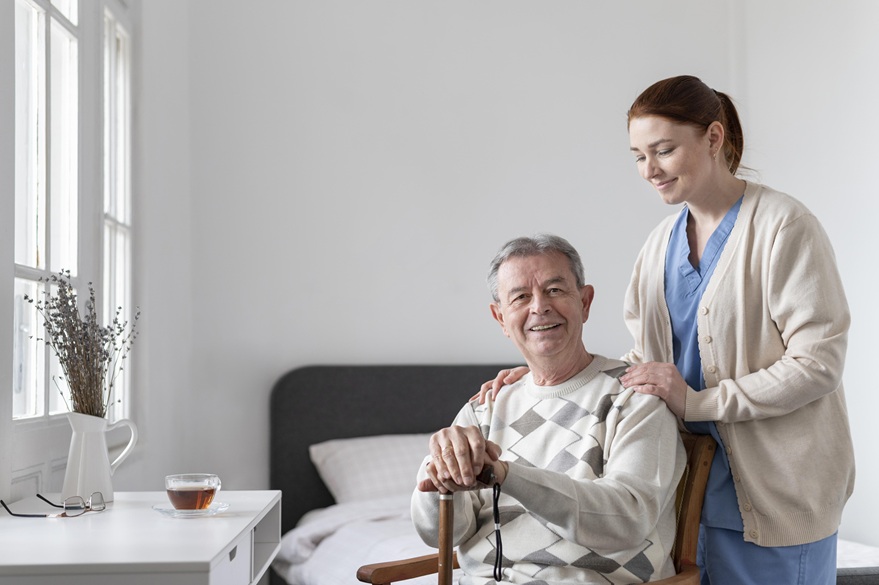
Professional care staff form the heart of compassionate care in these settings. Their training equips them not only with the skills needed for medical and personal care but also with the empathy required to understand and respond to the emotional needs of older adults. Building trust and forming meaningful relationships with residents is central to the role of care workers, creating a supportive environment where individuals feel secure and valued.
For those seeking a high standard of personalised care and attention, signature-care-homes.co.uk exemplifies this commitment. Their focus on comfort, companionship, and individualised support ensures that residents can enjoy later life with dignity and joy.
Peace of Mind for Families
Families also benefit from the reassurance that comes with professional care. Knowing that loved ones are being looked after by attentive, experienced staff provides peace of mind and allows families to maintain meaningful connections without the stress of managing complex care needs themselves.
Cultural, Spiritual, and Personal Considerations
Care homes increasingly recognise the importance of respecting residents’ cultural backgrounds and spiritual beliefs. Celebrating festivals, providing access to faith-based support, and accommodating cultural dietary requirements all contribute to a sense of belonging and dignity. By acknowledging individual traditions and personal preferences, care homes ensure that every resident feels respected and understood.
Encouraging autonomy in personal decision-making, whether in daily routines, hobbies, or care choices, reinforces self-esteem and independence. Residents are empowered to remain active participants in their lives, maintaining a sense of control even in later years.
Conclusion
Care homes deliver comfort and compassion through a combination of personalised care, emotional support, nutritious meals, engaging activities, and a safe, welcoming environment. By prioritising both the physical and emotional wellbeing of residents, these homes provide a nurturing setting where older adults can live with dignity, respect, and a true sense of community.
*****